
NEWS & EVENTS

Why Bubble Tea Brands Are Diversifying: The Rise of Herbal Tea in Modern Beverage Markets
December 02,2025
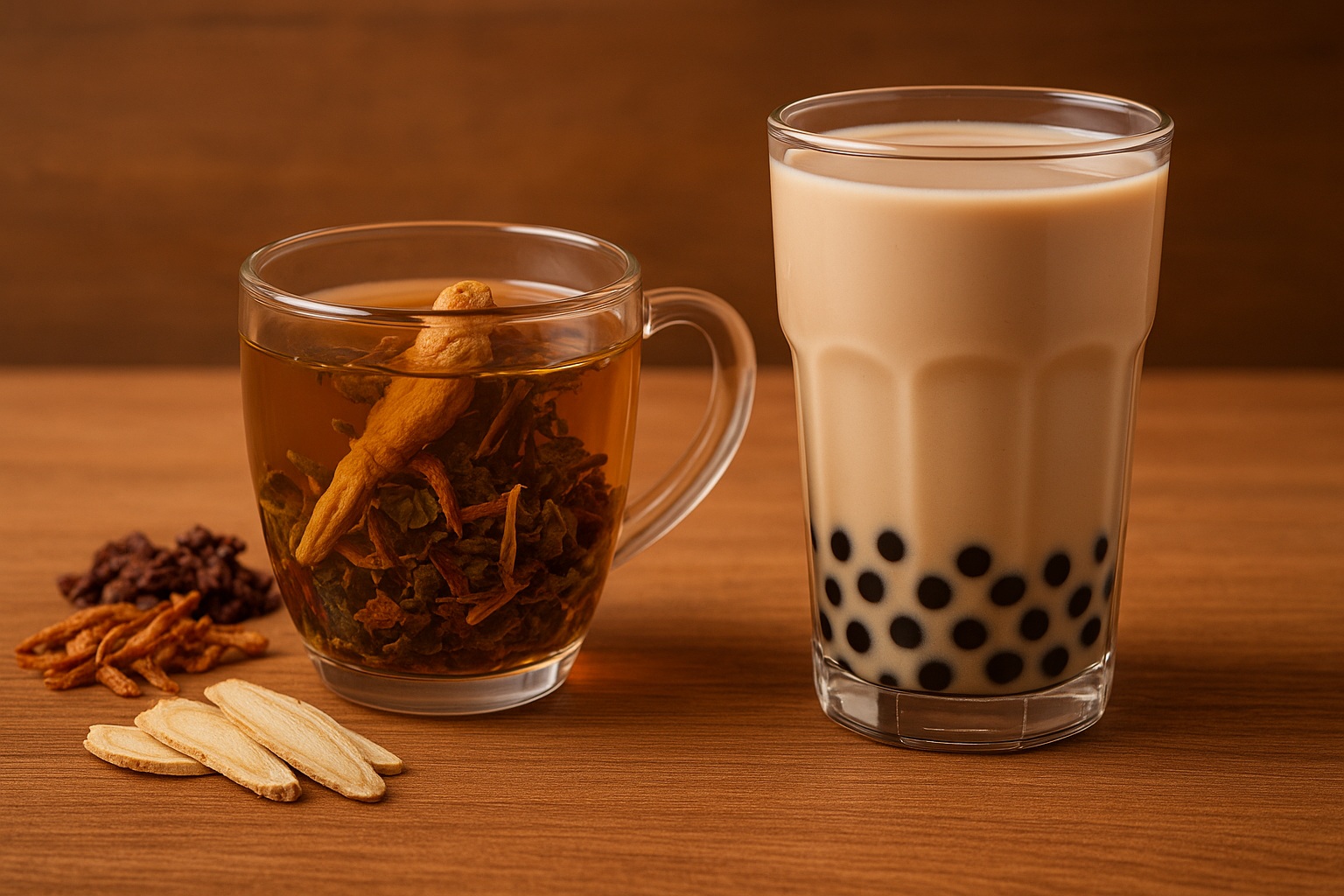
Over the past decade, bubble tea has grown from a niche Taiwanese beverage into a global cultural phenomenon. Yet as the market matures and competition intensifies, many bubble tea brands are exploring new product categories to stay relevant and drive sustainable growth. One of the most promising directions has been the integration of herbal tea—rooted in traditional wellness culture—into modern beverage menus. This shift reflects evolving consumer preferences, industry innovation, and the increasing need for multi-category strategies.
1. The Changing Landscape of the Bubble Tea Industry
Bubble tea shops have traditionally operated within a well-defined category: flavored tea, milk tea, fruit tea, and toppings such as tapioca pearls or jelly. However, the number of players in the global market has surged, and product differentiation has become more challenging.
Several key trends are reshaping the beverage landscape:
• Market Saturation in Major Cities
In regions like East Asia, Southeast Asia, and North America, bubble tea stores are now within walking distance of one another. Saturation pushes brands to expand offerings beyond standard tea-based drinks.
• Rising Consumer Interest in Health and Wellness
Post-pandemic consumers are significantly more health-aware. Drinks perceived as “lighter,” “functional,” or “cleaner” have attracted attention. This shift creates a natural bridge between bubble tea and herbal beverages.
• Revenue Diversification as a Business Strategy
Relying on a single product category increases operational risk. Cross-category beverage menus help brands stabilize sales across different seasons and customer segments.
2. The Appeal of Herbal Tea in Modern Markets
Herbal tea—often associated with traditional Eastern medicine or wellness practices—has regained popularity worldwide. Generations Z and millennials in particular are open to trying botanical drinks that align with healthier lifestyles.
• Functional Benefits and Natural Positioning
Herbal teas made from ingredients such as ginseng, chrysanthemum, jujube, licorice, or goji berries are linked to energy, balance, digestion, or relaxation. These perceived benefits add value without requiring heavy marketing.
• Compatibility with Modern Flavors
Unlike traditional remedies served hot, today’s herbal tea drinks are refreshing, visually appealing, and customizable. They integrate seamlessly into bubble tea style beverages—iced, cold brew, fruit-enhanced, or lightly sweetened.
• Strong Cultural Resonance in Asian Markets
For Asian consumers, herbal tea has deep cultural roots. Blending tradition with modern drink formats offers both emotional and sensory appeal.
3. Why Bubble Tea Brands Are Adopting Multi-Category Menus
The shift toward multi-category beverage offerings is driven by practical business considerations.
• Broader Consumer Reach
Adding herbal tea allows brands to attract customers who want healthier options or who prefer drinks without milk or pearls. This widens the total addressable market.
• Seasonal Balance
Bubble tea sales often fluctuate with seasons—milk tea in winter, fruit tea in summer. Herbal tea can perform consistently across seasons when offered in both hot and iced versions.
• Cost Efficiency in Production
Many herbal tea ingredients have long shelf lives and require simple production workflows. They can be integrated into existing beverage operations without significant equipment investment.
• Competitive Differentiation
New entrants and established players alike need visible differentiation. A thoughtful herbal tea line can help a brand stand out while remaining authentic and culturally grounded.
4. Product Development Considerations for Bubble Tea Brands
Expanding into herbal tea is feasible, but brands should approach it with structure and clarity.
• R&D Alignment with Brand Identity
Herbal beverages should feel like a natural extension of the menu. For example, fruit-infused herbal teas, cold brew herbal blends, or light-sweetness wellness drinks fit well with youthful, modern branding.
• Ingredient Quality and Supply Chain Stability
Herbal ingredients must meet food safety standards and have consistent quality. Securing reliable suppliers is crucial, especially for overseas expansion.
• Balanced Flavor Profiles
Herbal ingredients can be strong or bitter. Successful products balance authenticity with mainstream appeal—often through honey, citrus, floral notes, or controlled steeping techniques.
• Menu Education and Transparency
Consumers may be unfamiliar with certain herbs. Clear descriptions, taste notes, and benefits help encourage trial and adoption.
5. The Future of Cross-Category Beverages
As global consumers become more wellness-oriented and culturally curious, the fusion of bubble tea and herbal tea will likely continue gaining traction. Brands that embrace this shift early can:
-
Build stronger brand differentiation
-
Create more resilient revenue models
-
Appeal to both wellness-focused and trend-driven audiences
-
Position themselves competitively in international markets
The rise of herbal tea is not a passing trend—it reflects a deeper movement toward modernized traditional drinks and multi-category beverage ecosystems.
Conclusion
Bubble tea brands are no longer defined by a single beverage category. By introducing herbal tea, they tap into wellness trends, cultural familiarity, and broader consumer needs. This strategic diversification helps brands remain competitive in an increasingly sophisticated global beverage landscape.
Contact Us
If you are exploring new beverage concepts, product development, or sourcing high-quality ingredients for bubble tea and herbal tea, contact us for professional guidance and support.