
NEWS & EVENTS

The Global Rise of Bubble Tea: Why Europe and the U.S. Are Embracing Boba Culture
December 01,2025
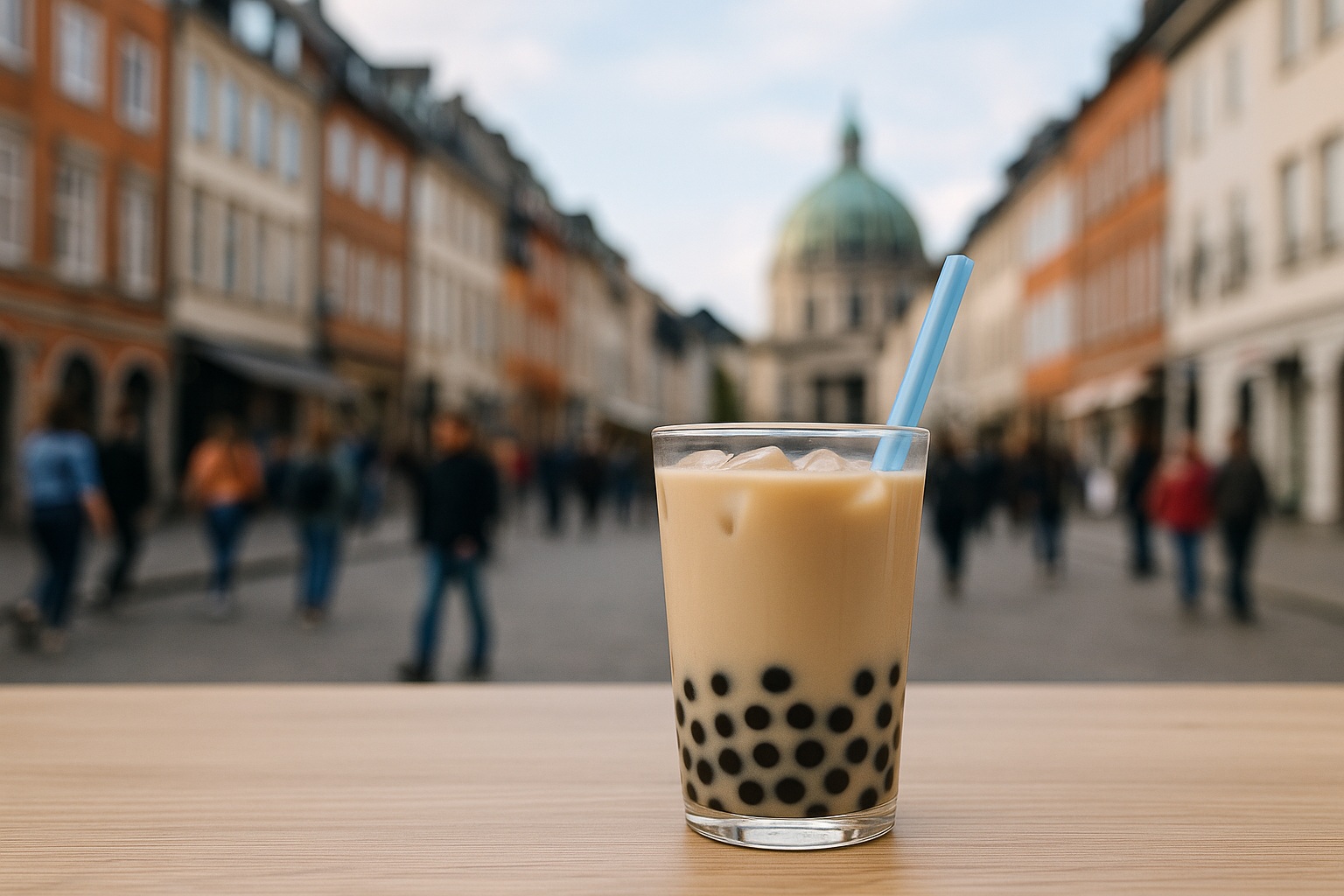
What began as a playful Taiwanese street beverage in the 1980s has now become one of the fastest-growing drink categories across Europe and the United States. Bubble tea—also known as boba tea or milk tea—is no longer just a trend among young consumers. It has matured into a full-fledged global market fueled by innovative flavors, premium ingredients, and a strong cultural identity.
In Western markets, bubble tea is evolving from a “curiosity” to a mainstream beverage available in shopping malls, cafés, dessert shops, and even major retail chains. This shift reflects deeper consumer behaviors, including demand for customizable drinks, experiential food culture, and Asian-inspired flavors.
1. Why Bubble Tea Is Booming in Europe and the U.S.
Several forces are shaping the rapid expansion of boba culture in Western markets:
1.1 Social Media & Visual Culture
Bubble tea is highly “Instagrammable.”
Its colorful layers, toppings, gradient syrups, and oversized straws make it naturally appealing on TikTok, Instagram, and YouTube. Viral challenges and influencer content have helped accelerate adoption across younger demographics.
1.2 Consumer Curiosity for Asian Cuisine
Over the past decade, European and American consumers have grown more familiar with Asian foods—from Korean fried chicken to Japanese matcha. Bubble tea fits perfectly within this cultural wave, offering both novelty and comfort.
1.3 Customization & Personalization
Unlike traditional soft drinks, bubble tea lets consumers choose:
-
sweetness level
-
tea type
-
topping combinations
-
milk options
-
flavors
This flexibility aligns with modern cafés and beverage trends emphasizing personalization.
1.4 A New Category for Cafés & Retailers
Cafés in London, Paris, Berlin, New York, and Los Angeles increasingly add boba to their menus because:
-
The profit margins are attractive
-
The drink appeals to a wide demographic
-
It pairs well with pastries, bakery goods, and café-style snacks
-
It boosts foot traffic and average ticket size
2. Market Growth and Industry Forecasts
Recent data shows that the global bubble tea market is projected to grow at 8–12% CAGR over the next five years, with Europe being the fastest-expanding region.
Key Markets to Watch
-
United Kingdom – Massive growth driven by Gen Z culture and Asian communities.
-
France – Paris and Lyon see strong specialty-tea expansion.
-
Germany – Rapid rise of franchise chains and dessert cafés.
-
United States – One of the largest global markets with strong demand for premium toppings and innovative flavors.
As the category grows, Western businesses seek more reliable suppliers, consistent quality, and stable logistics—leading to increasing attention on Taiwanese manufacturers.
3. Why Taiwanese Ingredients Lead the Global Bubble Tea Industry
Taiwan remains the origin and the benchmark of bubble tea quality. Western cafés and distributors prefer Taiwanese suppliers because of:
3.1 Authenticity & Expertise
Taiwan invented bubble tea.
From tapioca pearls to flavored powders, Taiwanese manufacturers have decades of experience in:
-
R&D
-
taste development
-
food processing
-
packaging standards
3.2 Consistency & Global Export Standards
Taiwanese factories typically operate under:
-
HACCP
-
ISO certifications
-
EU and U.S. export compliance
This consistency is an essential requirement for Western distributors.
3.3 Product Variety & Innovation
Taiwan leads in:
-
tapioca pearls (original, brown sugar, mini, flavored)
-
popping boba
-
fruit syrups
-
milk-tea powders
-
cheese foam powder
-
ready-to-drink bases
Innovation keeps the market attractive to younger consumers.
3.4 OEM / Private Label Capability
Western brands increasingly want:
-
their own flavors
-
customized packaging
-
private-label products
-
brand-exclusive toppings
Taiwanese manufacturers provide flexible OEM/ODM services that allow European and American brands to grow fast without building their own factories.
4. What Western Businesses Should Know Before Entering the Bubble Tea Market
Whether you are opening a single shop in New York or managing a distribution network in Europe, consider the following:
4.1 Ingredient Selection Matters
High-quality tapioca pearls and syrups determine:
-
flavor profile
-
cooking time
-
customer satisfaction
Lower-quality pearls often break, harden, or lose elasticity—which directly affects reviews.
4.2 Supply Chain Stability
Consistent stock is crucial.
Demand spikes can occur during:
-
holidays
-
weekend rush
-
viral trends
Working with experienced exporters ensures shorter lead times and smoother replenishment.
4.3 Regulatory Compliance
Europe and the U.S. have strict rules regarding:
-
food additives
-
labeling
-
allergen declarations
Choose suppliers that already export regularly to these markets.
4.4 Training & Menu Development
Brands with strong SOPs and training materials grow more consistently.
Many successful chains rely on:
-
recipe standardization
-
staff training guides
-
efficient preparation workflows
5. The Future of Bubble Tea in Europe and the U.S.
The next phase of bubble tea’s expansion in the West will be shaped by:
5.1 Health-Conscious Variants
-
low-sugar options
-
plant-based milk
-
cleaner ingredient labels
-
natural fruit teas
5.2 Premium & Artisanal Concepts
Consumers are drawn to:
-
handcrafted pearls
-
limited-edition flavors
-
premium toppings (crystal jelly, brown sugar pearls, mousse foam)
5.3 Retail & RTD Products
Supermarkets in the U.S. and Europe begin to add:
-
bottled bubble tea drinks
-
DIY kits
-
instant topping cups
This opens new opportunities for manufacturers and distributors.
Conclusion
Bubble tea is no longer a trend—it is a global cultural movement.
As Europe and the U.S. adopt boba culture, businesses need reliable ingredient partners, consistent product quality, and deep understanding of the industry’s origins.
Whether you are planning to open a new shop, expand a franchise, or distribute bubble tea products, choosing the right ingredients and suppliers is key to long-term success.
Contact Us
If you are exploring opportunities in the bubble tea market, considering OEM/private label production, or looking for trusted Taiwanese ingredient suppliers, our team is ready to assist with professional guidance and tailored solutions.
We’re here to help you build a successful and sustainable bubble tea business.