
NEWS & EVENTS

The Future of Bubble Tea: How AI and Automation Are Transforming the Industry
June 24,2026
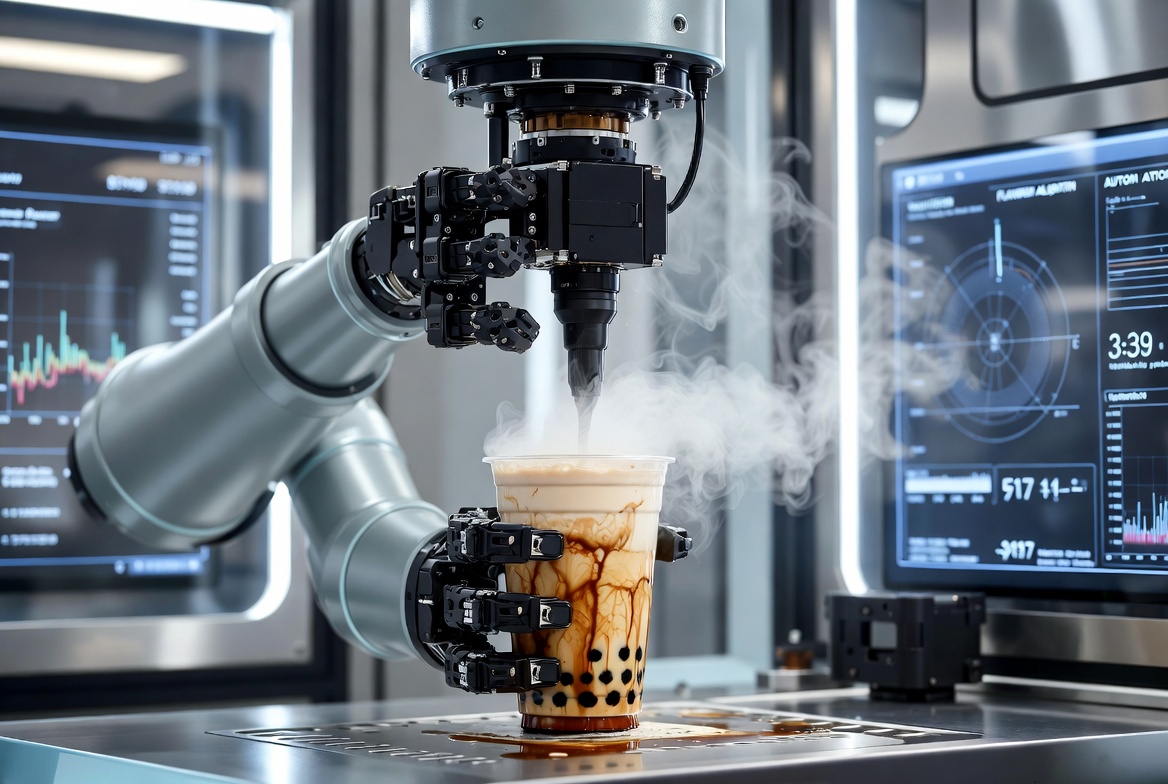
Over the past decade, bubble tea has evolved from a regional beverage trend into a global industry. From Asia and North America to Europe and the Middle East, consumer demand continues to grow as bubble tea becomes a mainstream beverage category.
However, growth also brings new challenges. Rising labor costs, increasing competition, changing consumer expectations, and stricter food safety requirements are putting pressure on bubble tea businesses of all sizes.
To remain competitive, many companies are turning to artificial intelligence (AI) and automation technologies. While bubble tea remains a product built on taste, quality, and creativity, technology is increasingly becoming a key factor in improving operational efficiency, consistency, and scalability.
The future of bubble tea may not be defined solely by new flavors, but by smarter ways of producing, managing, and delivering beverages.
The Growing Need for Operational Efficiency
As the bubble tea market expands, businesses face increasing operational complexity.
A modern bubble tea shop or manufacturing facility must manage multiple variables simultaneously, including ingredient sourcing, inventory control, labor scheduling, quality assurance, and customer service.
Traditionally, many of these processes have relied heavily on manual operations. While effective on a small scale, manual systems often become difficult to manage as businesses grow.
Inconsistent drink preparation, inventory shortages, and production bottlenecks can directly affect customer satisfaction and profitability.
Automation is emerging as a practical solution to these challenges by standardizing processes and reducing operational variability.
AI-Powered Customer Experience and Personalization
Consumer expectations are changing rapidly. Today’s customers expect convenience, personalization, and speed.
AI technologies are enabling bubble tea businesses to better understand customer behavior through data such as purchase history, seasonal preferences, and regional trends.
With these insights, businesses can:
- Recommend personalized drinks
- Optimize menu performance
- Improve loyalty program targeting
- Increase repeat purchase rates
Instead of offering the same menu to every customer, future bubble tea brands will increasingly rely on data-driven personalization to enhance the customer experience.
This shift not only improves satisfaction but also contributes directly to higher customer lifetime value.
Automation in Beverage Preparation
One of the most visible transformations in the bubble tea industry is happening in beverage preparation.
Automated systems for tea brewing, ingredient dispensing, sugar level control, and cup sealing are already being adopted across the industry.
These systems help ensure:
- Consistent taste and quality
- Precise ingredient measurements
- Faster service speed
- Reduced human error
Consistency is particularly important for multi-location brands, where customers expect the same product quality regardless of store location.
As labor shortages continue in the food and beverage industry, automation also helps reduce dependency on manual labor while allowing staff to focus more on customer service and experience.
Smart Inventory Management Through Data Analytics
Inventory management remains one of the most critical operational challenges in bubble tea businesses.
Key ingredients such as tapioca pearls, tea leaves, milk, syrups, and fruit bases have limited shelf lives. Poor inventory planning can lead to either waste or stock shortages.
AI-powered forecasting systems help businesses improve decision-making by analyzing:
- Historical sales data
- Weather conditions
- Seasonal demand patterns
- Promotional activity
With better forecasting accuracy, businesses can:
- Reduce ingredient waste
- Lower operating costs
- Improve product availability
- Optimize procurement planning
In a highly competitive market with tight margins, these improvements can significantly impact profitability.
Smart Manufacturing and Quality Control
Beyond retail operations, automation is also transforming bubble tea ingredient manufacturing.
Modern production facilities are increasingly using smart systems that integrate sensors, machine vision, and real-time monitoring.
These technologies help ensure:
- Product consistency across batches
- Packaging quality control
- Compliance with food safety standards
- Reduced production downtime
AI-driven predictive maintenance also helps identify potential equipment issues before they lead to failures, reducing unplanned interruptions in production.
This level of control and visibility is becoming essential for suppliers aiming to serve large-scale global demand.
Sustainability as a Long-Term Driver
Sustainability is becoming a key factor in the global food and beverage industry.
Consumers and regulators are increasingly focused on environmental impact, packaging waste, and resource efficiency.
Technology plays an important role in supporting sustainability goals by enabling:
- More efficient energy usage
- Reduced food and ingredient waste
- Optimized production planning
- Improved supply chain efficiency
AI-based forecasting and automation systems not only improve efficiency but also contribute to more sustainable business operations.
Challenges in Adopting AI and Automation
Despite its advantages, adopting AI and automation presents several challenges.
Businesses must consider:
- High initial investment costs
- Employee training and adaptation
- System integration complexity
- Data management and security requirements
Successful implementation requires a clear strategy rather than isolated technology adoption.
Companies that align automation with operational goals are more likely to achieve long-term returns and sustainable improvements.
What Will the Bubble Tea Industry Look Like in the Future?
The next generation of bubble tea businesses will combine traditional beverage craftsmanship with advanced digital systems.
Customers will increasingly interact with AI-powered ordering platforms that offer personalized recommendations.
Production systems will become more automated, ensuring consistent quality and faster service.
Manufacturers will rely on real-time data analytics to optimize production and supply chains.
While technology will continue to evolve, the core of the industry will remain unchanged: delivering enjoyable, high-quality beverages to consumers worldwide.
Conclusion
The bubble tea industry is entering a new phase of transformation driven by artificial intelligence and automation.
These technologies are reshaping how businesses operate, from customer engagement and inventory management to production and quality control.
Companies that embrace these innovations early will likely gain a competitive advantage in efficiency, consistency, and scalability.
Looking Ahead
As AI and automation continue to reshape the bubble tea industry, businesses face important decisions about how and when to adopt new technologies.
Whether the goal is improving production efficiency, enhancing product consistency, optimizing inventory management, or preparing for future growth, understanding available solutions is the first step toward making informed decisions.
If your business is exploring automation, smart manufacturing, or scalable production strategies, our team is available to discuss industry trends and potential solutions tailored to your operational needs.