
NEWS & EVENTS

Why Are Tapioca Pearls Black?
June 17,2026
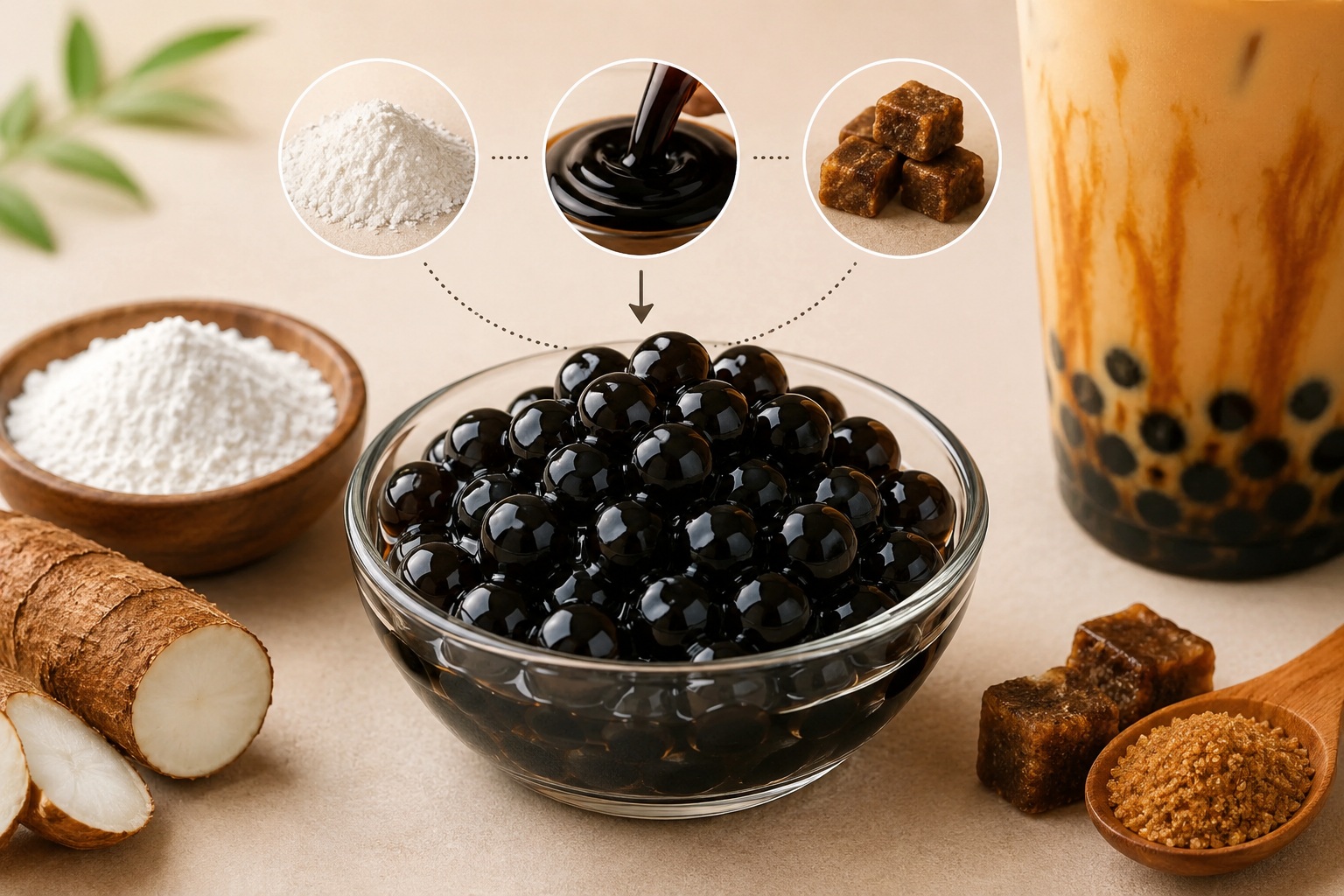
Bubble tea has become one of the world's most popular beverages, and black tapioca pearls are undoubtedly its most recognizable topping. However, many consumers and business owners often wonder: Why are tapioca pearls black? Are they naturally black, or is their color added during production?
In this article, we'll explore the ingredients, production process, and science behind the distinctive color of black tapioca pearls.
What Are Tapioca Pearls Made Of?
Tapioca pearls are primarily made from tapioca starch, which is extracted from the cassava root (Manihot esculenta). Cassava is widely cultivated in tropical regions and serves as an important source of starch for food manufacturing.
The basic ingredients of traditional tapioca pearls typically include:
- Tapioca starch
- Water
- Sugar or sweeteners
- Natural coloring ingredients (depending on the product)
Without any coloring or flavoring ingredients, tapioca pearls are usually white or translucent after cooking.
Are Tapioca Pearls Naturally Black?
The simple answer is no.
Pure tapioca starch does not naturally produce black pearls. Traditional tapioca pearls are naturally light in color and become translucent when cooked.
The black color commonly seen in bubble tea comes from additional ingredients used during manufacturing, such as:
- Brown sugar
- Caramel syrup
- Caramel coloring
- Dark sugar blends
These ingredients not only create the dark appearance but also contribute to the rich flavor profile that many consumers associate with bubble tea.
Why Is Black the Most Popular Color?
Black tapioca pearls became popular because they offer several advantages:
1. Enhanced Visual Appeal
The contrast between dark pearls and milk tea creates a distinctive appearance that consumers instantly recognize. The visual appeal has become an important part of the bubble tea experience.
2. Richer Flavor
Brown sugar and caramel ingredients add depth and sweetness to the pearls, creating a more enjoyable texture and taste.
3. Strong Brand Recognition
Over the years, black pearls have become the global standard for bubble tea. Many consumers expect bubble tea to contain black tapioca pearls, making them the preferred choice for most beverage businesses.
How Are Black Tapioca Pearls Produced?
Although manufacturing methods may vary among suppliers, the general process includes:
Step 1: Mixing Ingredients
Tapioca starch is combined with water and selected sweeteners or coloring ingredients.
Step 2: Forming the Dough
The mixture is kneaded into a smooth dough with the desired consistency.
Step 3: Shaping the Pearls
The dough is processed into small spherical pearls using specialized equipment.
Step 4: Drying
The pearls are dried to improve shelf life and maintain product stability during transportation and storage.
Step 5: Packaging
Finished pearls are packaged according to quality and food safety standards before distribution.
Consistent color, texture, and cooking performance are critical factors during production.
Are Black Tapioca Pearls Safe to Consume?
Yes, black tapioca pearls are generally safe when manufactured according to food safety regulations and quality standards.
Reputable manufacturers carefully control:
- Raw material sourcing
- Production processes
- Food safety compliance
- Product traceability
- Quality inspections
For businesses importing or distributing bubble tea ingredients, choosing suppliers with established quality management systems is essential.
Black Pearls vs. White Pearls
Both black and white tapioca pearls share the same starch base, but they differ in appearance and flavor.
| Feature | Black Tapioca Pearls | White Tapioca Pearls |
|---|---|---|
| Color | Dark brown to black | White or translucent |
| Flavor | Brown sugar or caramel notes | Mild and neutral |
| Appearance | Traditional bubble tea look | Modern and premium presentation |
| Popularity | Most widely used | Specialty applications |
The choice often depends on beverage concepts, customer preferences, and market positioning.
Frequently Asked Questions
Why do some tapioca pearls appear dark brown instead of black?
The final color depends on the amount and type of brown sugar, caramel, or coloring ingredients used during production.
Do black pearls contain artificial coloring?
Not necessarily. Many black tapioca pearls achieve their color through brown sugar and caramel-based ingredients, while some formulations may use approved food colorings.
Which type of pearl is best for bubble tea shops?
Black tapioca pearls remain the most popular option worldwide because they provide the classic appearance and flavor consumers expect.
Choosing the Right Tapioca Pearl Supplier
For bubble tea brands, distributors, and beverage chains, selecting the right tapioca pearl supplier involves more than just comparing prices.
Key considerations include:
- Product consistency
- Food safety certifications
- Production capacity
- Shelf-life stability
- Customization options
- International export experience
A reliable supplier can help ensure consistent beverage quality and support long-term business growth.
Contact Us
Looking for high-quality tapioca pearls for your bubble tea business?
Whether you are launching a new bubble tea brand, expanding your beverage menu, or sourcing ingredients for international distribution, our team can help you find the right tapioca pearl solutions for your market.
Contact us today to discuss your requirements, request product specifications, or receive a customized quotation from our bubble tea ingredient specialists.
Get in touch with our team and start your inquiry today.