
NEWS & EVENTS

Bubble Tea Inventory Planning for Beginners: How to Stock Based on Your Store Type
December 22,2025
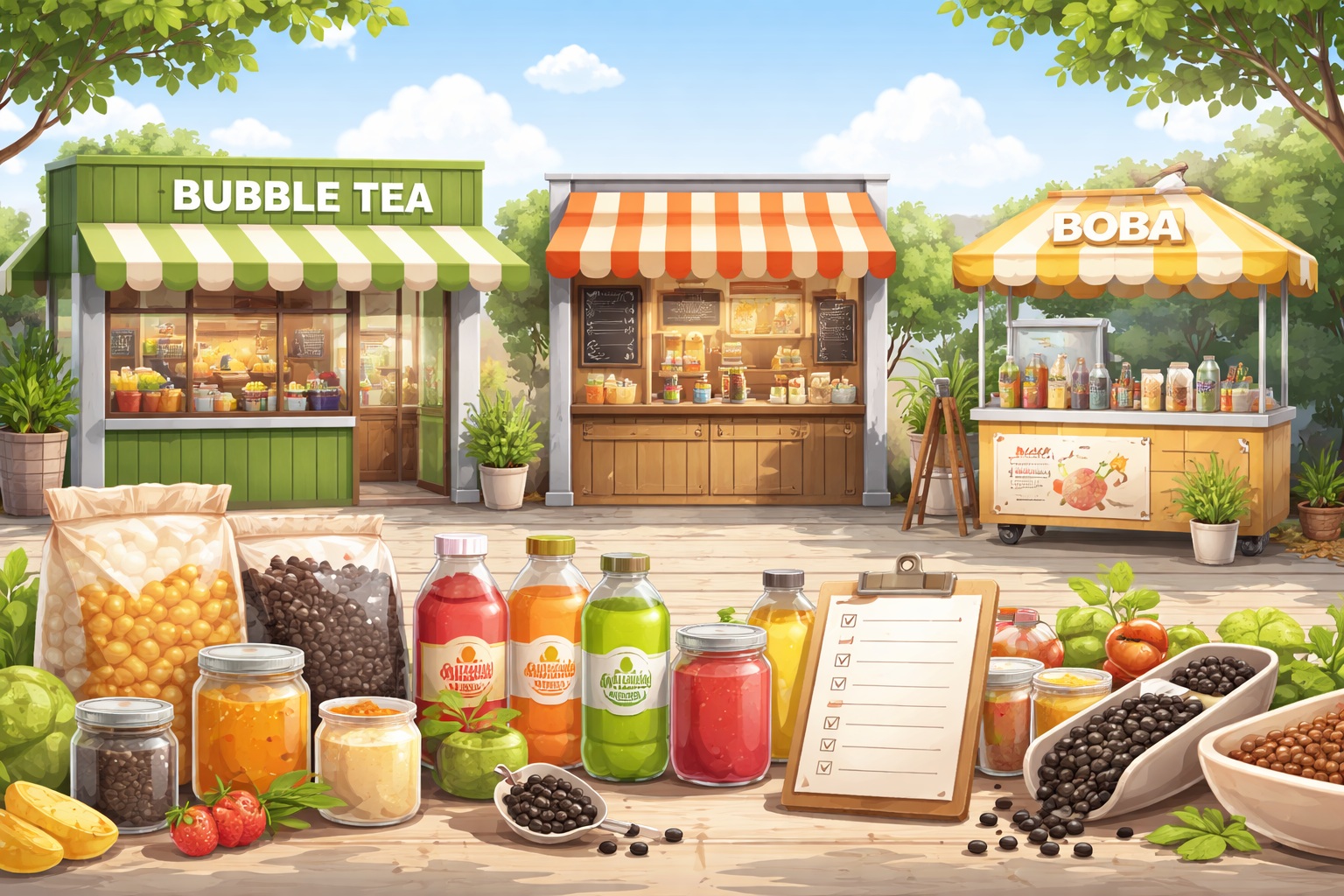
For new bubble tea entrepreneurs, inventory planning is often underestimated. Many first-time operators focus heavily on menu design, equipment, or branding, only to discover later that poor inventory decisions quietly erode profits through waste, cash flow pressure, or supply interruptions.
Unlike established chains, beginners do not have historical sales data to rely on. This makes inventory planning less about formulas and more about understanding business models, customer flow, and ingredient characteristics. In the bubble tea industry, where freshness and consistency matter, inventory strategy should be adapted to the type of store being operated.
This article explains how beginners can plan bubble tea inventory based on different store formats, helping reduce unnecessary risk while maintaining operational flexibility.
Why Inventory Planning Matters in the Bubble Tea Business
Bubble tea ingredients are not equal in terms of shelf life, storage conditions, and turnover speed. Tapioca pearls, syrups, tea bases, powders, and toppings all behave differently once opened or prepared.
For new businesses, common inventory-related problems include:
-
Overstocking ingredients that expire before being fully used
-
Underestimating demand and running out of key items during peak hours
-
Locking too much cash into slow-moving inventory
-
Managing too many SKUs before understanding actual sales patterns
Effective inventory planning is not about buying in bulk. It is about matching stock levels to your store type, service speed, and realistic daily volume.
Key Inventory Principles Every Beginner Should Understand
Before looking at store-specific strategies, beginners should understand a few universal principles.
1. Start with Core Ingredients Only
New shops often overestimate how many ingredients they need. A smaller, focused menu allows for higher ingredient turnover and easier quality control.
2. Separate “Fast-Moving” and “Slow-Moving” Items
Tea leaves, milk bases, sugar syrups, and tapioca pearls usually move faster than specialty toppings or seasonal flavors. These should be planned differently.
3. Inventory Is a Cash Flow Decision
Every box of unused ingredients represents tied-up capital. Beginners should prioritize flexibility over unit cost savings.
Inventory Planning for Different Bubble Tea Store Types
1. Café-Style or Hybrid Food & Beverage Stores
Café-style bubble tea shops often combine drinks with desserts, light meals, or seating space. These stores usually aim for a comfortable experience rather than fast turnover.
Inventory Characteristics
-
Wider menu variety
-
Moderate but consistent daily volume
-
Higher demand for quality consistency
Recommended Inventory Approach
-
Maintain moderate stock levels with weekly replenishment cycles
-
Limit specialty toppings during the early months
-
Prioritize stable ingredients with longer shelf life
Because cafés often operate with predictable traffic patterns, inventory planning should focus on stability rather than aggressive expansion. Beginners should track daily sales closely and adjust order quantities every 2–4 weeks.
2. Street Shops and Takeaway-Focused Stores
Street shops rely heavily on speed, visibility, and high foot traffic. Sales volume can fluctuate significantly depending on location, weather, and time of day.
Inventory Characteristics
-
High turnover during peak hours
-
Strong dependence on best-selling items
-
Limited storage space
Recommended Inventory Approach
-
Focus on top-selling drinks and reduce low-demand variations
-
Stock fast-moving ingredients in slightly higher quantities
-
Keep emergency buffer stock for critical ingredients only
For beginners, the biggest risk with street shops is underestimating peak demand. Running out of core ingredients can result in immediate revenue loss. However, this should not be solved by excessive overstocking, but by frequent, smaller replenishment cycles.
3. Mobile Stalls, Kiosks, and Pop-Up Concepts
Mobile stalls and kiosks are popular among beginners due to lower startup costs. However, inventory planning is more restrictive due to limited space and unpredictable sales patterns.
Inventory Characteristics
-
Very limited storage capacity
-
Short operating hours
-
Highly condensed menus
Recommended Inventory Approach
-
Carry only essential ingredients required for top-selling drinks
-
Use pre-measured or ready-to-use ingredients when possible
-
Avoid stocking perishable toppings with uncertain demand
For mobile operators, simplicity is a strength. A tight inventory strategy reduces waste, simplifies operations, and allows faster decision-making when adjusting the menu.
Common Inventory Mistakes New Bubble Tea Businesses Make
Regardless of store type, beginners often fall into similar traps:
-
Buying large quantities to reduce unit costs without confirming demand
-
Introducing too many flavors too early
-
Ignoring ingredient shelf life after opening
-
Failing to align inventory decisions with actual operating hours
Inventory planning should evolve gradually. What works for an established brand may not be suitable for a first-time operator.
How Inventory Strategy Evolves Over Time
Inventory planning is not a one-time setup. As a business matures, inventory decisions should change based on:
-
Sales data and customer preferences
-
Seasonal fluctuations
-
Supplier lead times
-
Menu optimization
Beginners should view the first 3–6 months as a testing phase. During this period, inventory decisions should prioritize learning and flexibility over optimization.
Working with Suppliers to Improve Inventory Efficiency
One often overlooked factor in inventory planning is supplier collaboration. Reliable suppliers can help beginners:
-
Order smaller quantities more frequently
-
Adjust product formats based on store type
-
Reduce unnecessary SKU complexity
-
Improve consistency across batches
Rather than treating suppliers as simple vendors, new operators benefit from working with partners who understand the bubble tea business and its operational challenges.
Final Thoughts
Successful bubble tea inventory planning starts with understanding your store type, not copying industry averages or competitor practices. Beginners who align inventory decisions with their actual operating model can significantly reduce risk while building a more sustainable business foundation.
Inventory strategy is not about how much you buy, but how well your stock supports daily operations, cash flow, and long-term growth.
Contact Us
If you are planning to open a bubble tea business or reviewing your current inventory strategy, our team can help you evaluate ingredient planning based on your store type and business goals.
Contact us to discuss flexible inventory solutions, stable supply options, and practical insights tailored to new bubble tea operators.