
NEWS & EVENTS

How to Handle Cargo Damage When Importing Bubble Tea Ingredients
February 25,2026
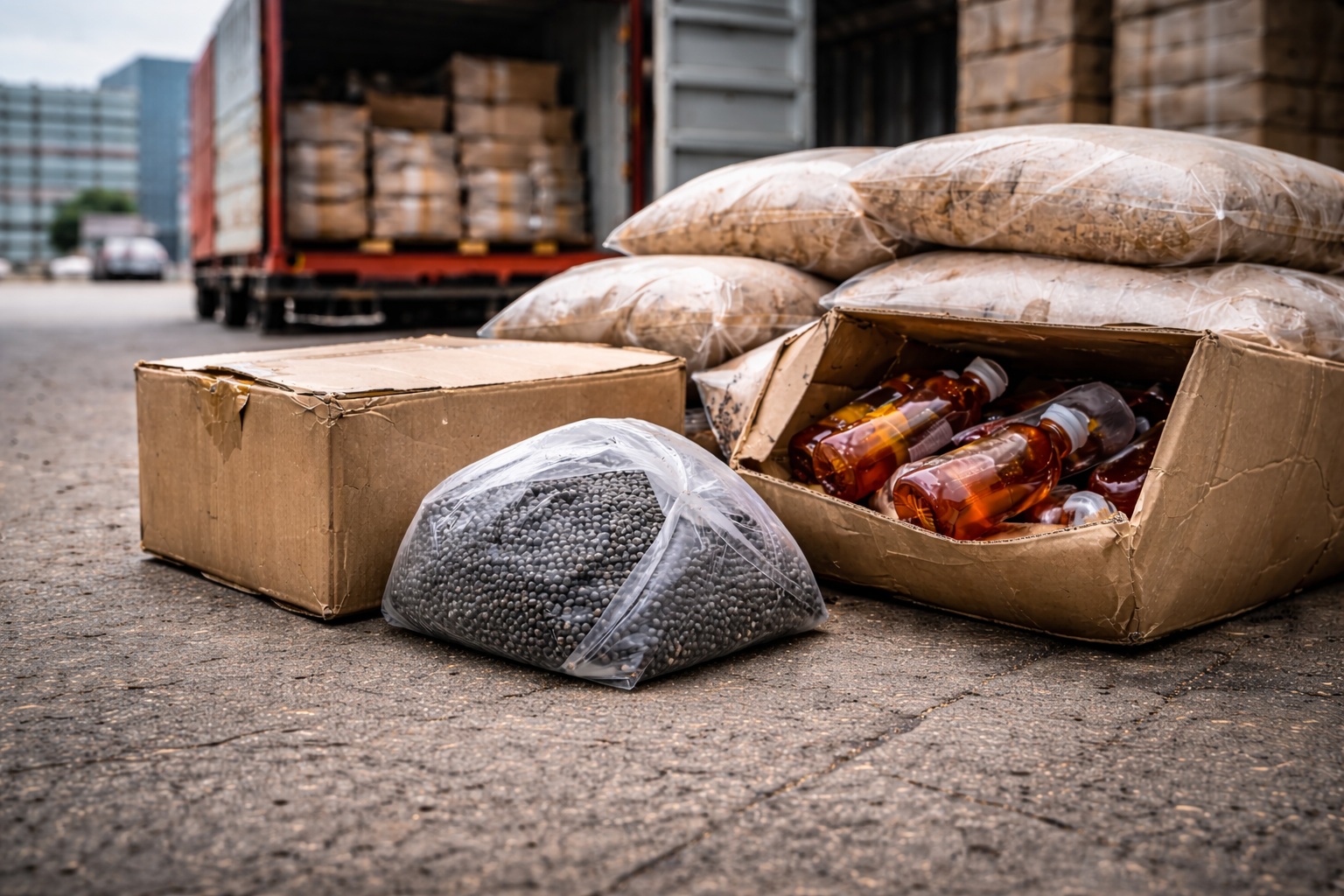
A damaged shipment does not just mean broken cartons — it can disrupt your milk tea supply, delay promotions, and compress margins.
For importers and distributors in North America and Europe, cargo damage during international shipping is a real operational risk. Bubble tea ingredients such as tapioca pearls, milk tea powders, syrups, and toppings are often shipped via ocean freight across long distances. During transit, improper stacking, pallet collapse, moisture exposure, or container shifting can lead to product damage.
When this happens, knowing how to respond quickly — and how to prevent future incidents — can protect both your inventory and profitability. Working with an experienced bubble tea ingredients supplier that understands international shipping standards can significantly reduce the likelihood of preventable damage.
Common Causes of Cargo Damage in Bubble Tea Shipments
Understanding the root cause is the first step toward prevention. The most frequent sources of shipping damage include:
1. Improper Palletization
Unstable pallet stacking or insufficient stretch wrapping can cause cartons to shift during transit, especially in long ocean voyages.
2. Container Load Imbalance
If cargo weight is unevenly distributed inside the container, movement during rough sea conditions may result in compression damage.
3. Moisture and Condensation
Temperature fluctuations can create container condensation (“container rain”), potentially affecting powdered milk tea products and dry ingredients.
4. Handling During Transshipment
When shipments are transferred between vessels or terminals, additional loading and unloading increases risk of minor impact damage.
What to Do When Cargo Damage Is Discovered
If bubble tea ingredients arrive damaged, structured documentation and timely action are critical.
Step 1: Inspect Before Unloading Completely
Before signing delivery documents, inspect the exterior of pallets and cartons. Note visible damage on the delivery receipt.
Step 2: Photograph Everything
Take clear photos of:
- The container interior
- Pallet condition
- Damaged cartons
- Batch numbers and labels
Step 3: Notify the Carrier Immediately
Freight claims typically have strict time limits. Notify the shipping line or freight forwarder as soon as possible.
Step 4: Separate Damaged and Undamaged Goods
Isolate affected inventory to prevent contamination or further loss.
Step 5: File a Formal Freight Claim
Prepare necessary documents including:
- Bill of Lading
- Commercial invoice
- Packing list
- Inspection report
- Photo evidence
Timely and structured filing increases the likelihood of compensation.
How Cargo Damage Impacts Importers
Even minor shipping damage can create larger operational issues:
- Inventory shortages that affect store operations
- Unexpected reordering costs
- Delayed product launches
- Cash flow disruption due to claim processing time
For businesses dependent on consistent milk tea supply, supply interruptions can quickly affect customer satisfaction and brand reliability.
Preventing Shipping Damage in Future Shipments
While no shipment is entirely risk-free, preventive measures significantly reduce exposure.
1. Use Reinforced Cartons and Moisture Protection
High-quality corrugated cartons and inner moisture barriers protect powdered ingredients during long transit periods.
2. Apply Proper Pallet Wrapping and Corner Protection
Edge protectors and strong stretch wrapping reduce compression and shifting.
3. Confirm Container Loading Standards
Ensure cargo weight is evenly distributed and secured with load bars or airbags when necessary.
4. Consider Cargo Insurance Coverage
Marine cargo insurance provides financial protection beyond standard carrier liability limitations.
5. Work With a reliable bubble tea supplier
With proven export experience ensures proper palletization, reinforced packaging, and accurate documentation before shipment. Suppliers experienced in international shipping understand packaging standards, documentation accuracy, and container loading requirements.
Building a More Resilient Import Process
Shipping damage is part of global trade risk. The difference lies in preparation. Importers who partner with a structured international bubble tea supplier are better positioned to align packaging standards, freight coordination, and documentation processes, maintain clear claim procedures, and coordinate closely with logistics partners are better positioned to protect margins and maintain operational stability.
In competitive markets, reliability is as important as product quality. Structured damage management helps safeguard both.
Need Support With Your Next Shipment?
If you are importing bubble tea ingredients and want clearer shipment coordination, stronger export packaging standards, or better documentation support, structured planning can reduce preventable risks.
Contact us to discuss your upcoming orders and improve shipment protection strategies.