
NEWS & EVENTS

Food Labeling Regulations: Key Requirements and Common Mistakes for Import & Export
February 02,2026
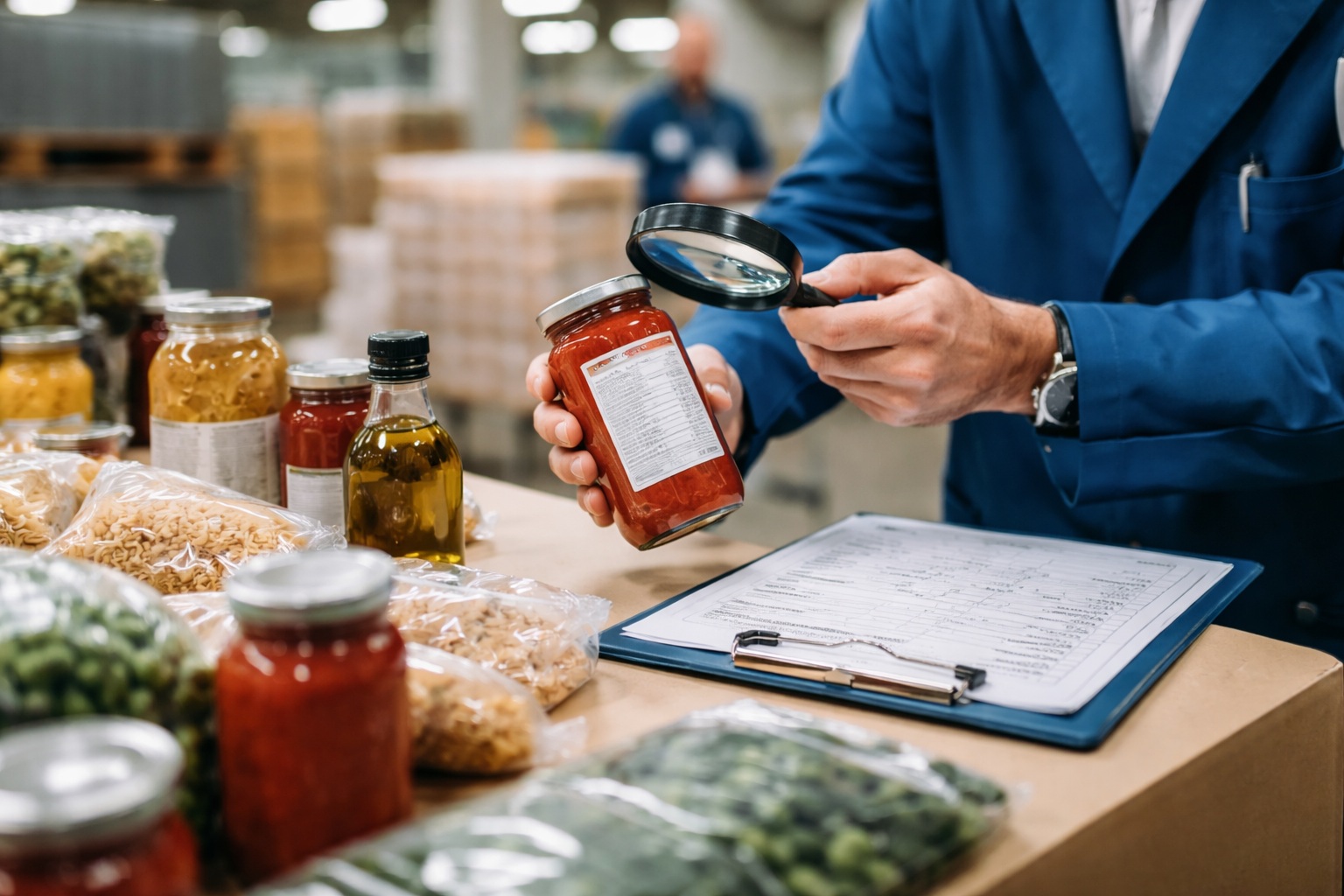
Food labeling regulations play a critical role in international food trade. For importers, exporters, and food brands, compliant labeling is not just a legal requirement—it directly affects customs clearance, market access, and brand credibility.
This article outlines the key food labeling requirements commonly applied in international trade and highlights frequent mistakes that can lead to shipment delays, rejections, or regulatory penalties.
Why Food Labeling Compliance Matters in Import & Export
Food products are among the most strictly regulated goods worldwide. Authorities use labeling as a primary checkpoint to verify:
-
Product identity and composition
-
Consumer safety and allergen disclosure
-
Traceability and accountability
-
Compliance with local food laws
Even when the product itself meets safety standards, labeling errors alone can cause customs holds or rejection.
Core Food Labeling Requirements for International Trade
While regulations vary by country, most markets require the following information on food labels:
1. Product Name and Description
The product name must clearly reflect its true nature and processing method. Misleading or overly generic names may raise regulatory concerns.
2. Ingredient List
-
All ingredients should be listed in descending order by weight
-
Additives must be declared using their approved names or codes
-
Compound ingredients may require sub-ingredient disclosure
Failure to declare ingredients accurately is one of the most common compliance issues.
3. Allergen Declaration
Major allergens (such as milk, soy, nuts, gluten, etc.) must be clearly identified according to local regulations. Inconsistent allergen formatting or incomplete disclosure often results in enforcement actions.
4. Net Weight or Volume
The net quantity must be expressed in legally accepted units (metric, imperial, or both, depending on the market). Incorrect units or formatting may trigger inspection.
5. Country of Origin
Country-of-origin labeling is essential for customs and consumer transparency. Ambiguous origin statements or missing information may lead to documentation discrepancies.
6. Manufacturer / Importer Information
Labels usually require:
-
Manufacturer name and address
-
Importer or distributor details for the destination market
Incomplete or outdated contact information is a frequent reason for label non-compliance.
7. Date Marking
Depending on the product and market, labels may require:
-
Production date
-
Best-before date
-
Expiry date
Incorrect date formats or missing language localization can cause delays.
Common Food Labeling Mistakes in Import & Export
Despite good intentions, many businesses encounter issues due to avoidable mistakes:
❌ Using Domestic Labels for International Markets
A label compliant in one country may not meet requirements elsewhere. Directly exporting products without market-specific review is risky.
❌ Inaccurate Translations
Poor or literal translations often distort ingredient names, allergen terms, or regulatory wording. Authorities may consider mistranslations as misleading information.
❌ Missing Mandatory Information
Small omissions—such as importer details or allergen formatting—can result in shipment detention even if the rest of the label is correct.
❌ Overstated Claims
Claims like “natural,” “organic,” or “health benefits” may require substantiation or certification. Unsupported claims can trigger regulatory scrutiny.
Market Differences to Be Aware Of
Food labeling rules differ significantly across regions:
-
United States: Emphasis on allergen labeling and nutrition facts
-
European Union: Strict ingredient transparency and multilingual requirements
-
Asia-Pacific: Varying language, format, and importer responsibility rules
Understanding these differences early helps avoid costly relabeling or rejected shipments.
Best Practices for Label Compliance
To reduce risks in food import and export operations:
-
Review labeling requirements before production
-
Validate translations with regulatory context, not just language accuracy
-
Align packaging, documentation, and labeling information
-
Conduct pre-shipment compliance checks
Proactive planning is far more efficient than corrective action after customs inspection.
Conclusion
Food labeling regulations are a critical component of successful international food trade. Accurate, compliant labels help ensure smooth customs clearance, protect consumers, and support long-term brand credibility.
Businesses involved in food import and export should treat labeling as a strategic compliance process—not a final packaging step.
Contact Us
If you are preparing food products for international markets or need support reviewing labeling requirements for import and export compliance, our team is available to assist.
Contact us to discuss your product, target markets, and labeling considerations—before issues arise at customs.