
NEWS & EVENTS

Bubble Tea Plastic Cup Alternatives: Sustainable Packaging Solutions for Western Markets
February 11,2026
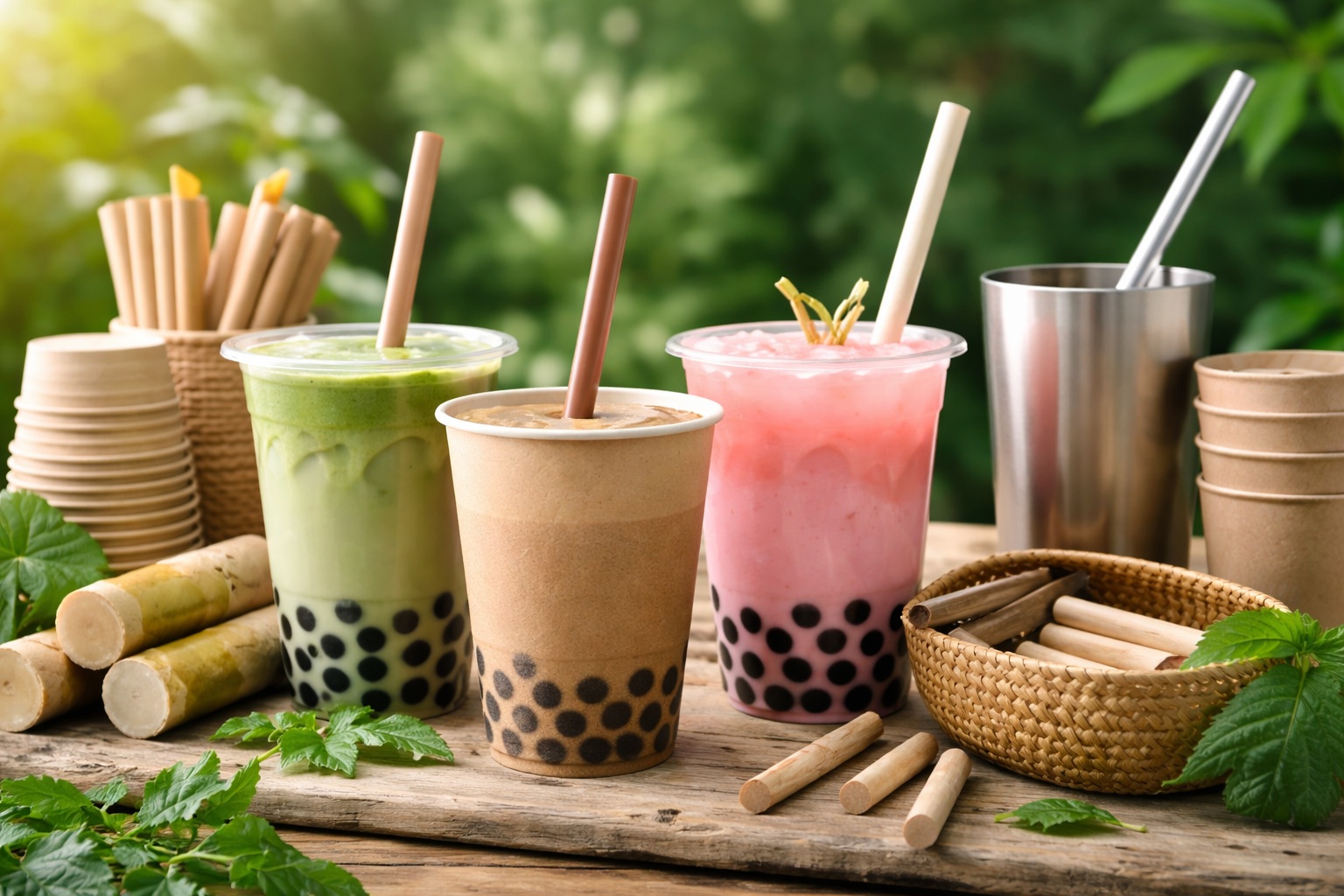
Sustainable Bubble Tea Packaging: Navigating Western Plastic Regulations
The global bubble tea industry continues to expand across Europe, Canada, and the United States. However, as demand grows, so does regulatory scrutiny — particularly regarding single-use plastic packaging.
For bubble tea brands targeting Western markets, understanding sustainable packaging alternatives is no longer optional. It is both a compliance requirement and a strategic consideration when working with a reliable bubble tea supplier capable of supporting export-ready packaging solutions.
This guide explores how plastic regulations are reshaping the industry and what practical, compliant alternatives are available for bubble tea cups and straws.
Why Western Countries Are Tightening Plastic Regulations
In recent years, Western governments have accelerated restrictions on single-use plastics. Key developments include:
-
The EU Single-Use Plastics Directive (SUPD)
-
Canada’s nationwide ban on certain plastic items
-
State-level plastic regulations across the U.S.
While PP (polypropylene, #5 plastic) is not universally banned, enforcement varies by region. Customs clearance uncertainty — particularly in cities like Montreal — has become a real operational concern for foodservice importers.
For bubble tea businesses exporting finished products or packaging components, regulatory ambiguity can translate into:
-
Shipment delays
-
Increased inspection frequency
-
Financial risk exposure
-
Brand reputation damage
As a result, sustainable bubble tea packaging is becoming a strategic requirement rather than just an environmental choice.
Can Bubble Tea Shops Still Use PP Plastic Cups?
Polypropylene (PP5) cups are widely used in the bubble tea industry because they are:
-
Durable
-
Heat-resistant
-
Cost-effective
-
Transparent for product visibility
However, Western regulations increasingly focus on reducing single-use plastics regardless of recyclability.
Even where PP cups are technically allowed, distributors and franchise chains may avoid them due to ESG commitments or retailer pressure.
For brands expanding into Europe or Canada, relying solely on PP plastic cups presents long-term regulatory risk — particularly if their bubble tea ingredients supplier cannot provide compliant packaging alternatives aligned with regional policies.
Top Alternatives to Plastic Bubble Tea Cups
1. PLA (Polylactic Acid) Cups
PLA cups are made from plant-based materials such as corn starch. They are often marketed as compostable or biodegradable.
Advantages:
-
Reduced fossil fuel dependency
-
Suitable for cold beverages
-
Accepted in many composting systems
Limitations:
-
Industrial composting required in many regions
-
Heat sensitivity
-
Higher cost than PP
For cold bubble tea applications, PLA remains one of the most widely adopted plastic cup alternatives.
2. Paper Cups with Bioplastic Lining
Another common sustainable packaging solution is paper cups lined with PLA or water-based coatings.
Benefits:
-
Stronger environmental perception
-
Compatible with branding
-
Suitable for milk tea and fruit tea
Considerations:
-
Must verify coating compliance with EU and Canadian regulations
-
Lid compatibility for sealing machines
Paper-based options are particularly popular in European markets where consumer sentiment strongly favors fiber-based packaging.
3. Reusable Cup Programs
In some Western cities, reusable cup systems are emerging as part of zero-waste initiatives.
These programs typically involve:
-
Deposit systems
-
Centralized washing facilities
-
Retailer participation networks
While not yet universal, reusable systems may become increasingly relevant in dense urban areas.
For bubble tea chains operating multiple locations, reusable cup models can significantly reduce regulatory exposure.
Sustainable Straw Alternatives for Tapioca Pearls
Straws are often more heavily regulated than cups. Many Western jurisdictions have fully banned plastic straws.
Because bubble tea requires wide-diameter straws for tapioca pearls, selecting the right alternative is critical.
1. PLA Wide Straws
Compostable PLA straws designed specifically for boba are available in multiple diameters.
Pros:
-
Similar user experience
-
Commercially scalable
-
Compostable under industrial conditions
Cons:
-
Performance can vary by supplier
-
Storage conditions matter
2. Paper Boba Straws
Paper straws have improved significantly in strength and durability.
Advantages:
-
Plastic-free positioning
-
Strong alignment with EU sustainability messaging
Challenges:
-
Must withstand extended immersion
-
Consumer perception varies
3. Sugarcane Fiber or Plant-Based Straws
Emerging materials such as bagasse (sugarcane fiber) offer improved rigidity.
These options:
-
Are biodegradable
-
Provide natural branding appeal
-
Support zero-plastic marketing claims
However, availability and cost remain higher than traditional plastic alternatives.
Key Compliance Factors for Bubble Tea Brands
Switching to eco-friendly bubble tea cups is only one part of regulatory readiness. Brands must also consider:
1. Certification and Testing
Ensure packaging materials meet:
-
EU food contact standards
-
Canadian CFIA requirements
-
FDA compliance (for U.S. distribution)
2. Labeling Requirements
Some regions require clear labeling of compostability or recyclability claims. Mislabeling can result in penalties.
3. Customs Documentation
Accurate material declarations are essential to prevent shipment delays.
4. Supply Chain Stability
Western importers increasingly prefer working with an experienced international bubble tea supplier that can demonstrate:
-
Transparent sourcing
-
Regulatory documentation
-
Long-term packaging strategy
-
Export-compliant material specifications
Packaging compliance is not just about the material — it is about supplier capability.
The Strategic Opportunity Behind Sustainable Packaging
While regulatory pressure increases operational complexity, it also creates differentiation opportunities.
Brands that adopt sustainable bubble tea packaging early can:
-
Strengthen ESG positioning
-
Appeal to environmentally conscious consumers
-
Gain easier entry into European retail channels
-
Reduce future regulatory risk
In competitive Western markets, sustainability is no longer a marketing trend — it is a purchasing criterion.
Future Outlook: What to Expect in 2026 and Beyond
Plastic regulation trends suggest:
-
Expansion of single-use plastic bans
-
Higher recycled content requirements
-
Carbon footprint disclosure expectations
-
Greater importer accountability
Bubble tea businesses planning international expansion should proactively review their packaging strategy rather than reacting to regulatory enforcement.
The transition away from traditional plastic cups and straws is not instantaneous, but forward-thinking brands are already adapting.
Final Thoughts
As Western plastic regulations continue evolving, bubble tea businesses must evaluate whether their current packaging strategy aligns with long-term compliance and market expectations.
Sustainable packaging alternatives — including PLA cups, paper-based solutions, and compostable boba straws — are increasingly accessible. The key is selecting materials that balance regulatory compliance, product performance, and long-term supply stability.
📩 Need Support with Compliant Bubble Tea Packaging?
If you are expanding into Europe, Canada, or the U.S. and would like guidance on sustainable bubble tea cup and straw alternatives, structured coordination with a knowledgeable export partner can reduce regulatory risk and simplify documentation processes.
Contact us to discuss your packaging requirements and compliance planning needs.