
NEWS & EVENTS

- Home
- News
- Clients Worldwide
- Opening a Bubble Tea Shop? Lessons from Wada Boba Tea's Success
Opening a Bubble Tea Shop? Lessons from Wada Boba Tea's Success
March 27,2026
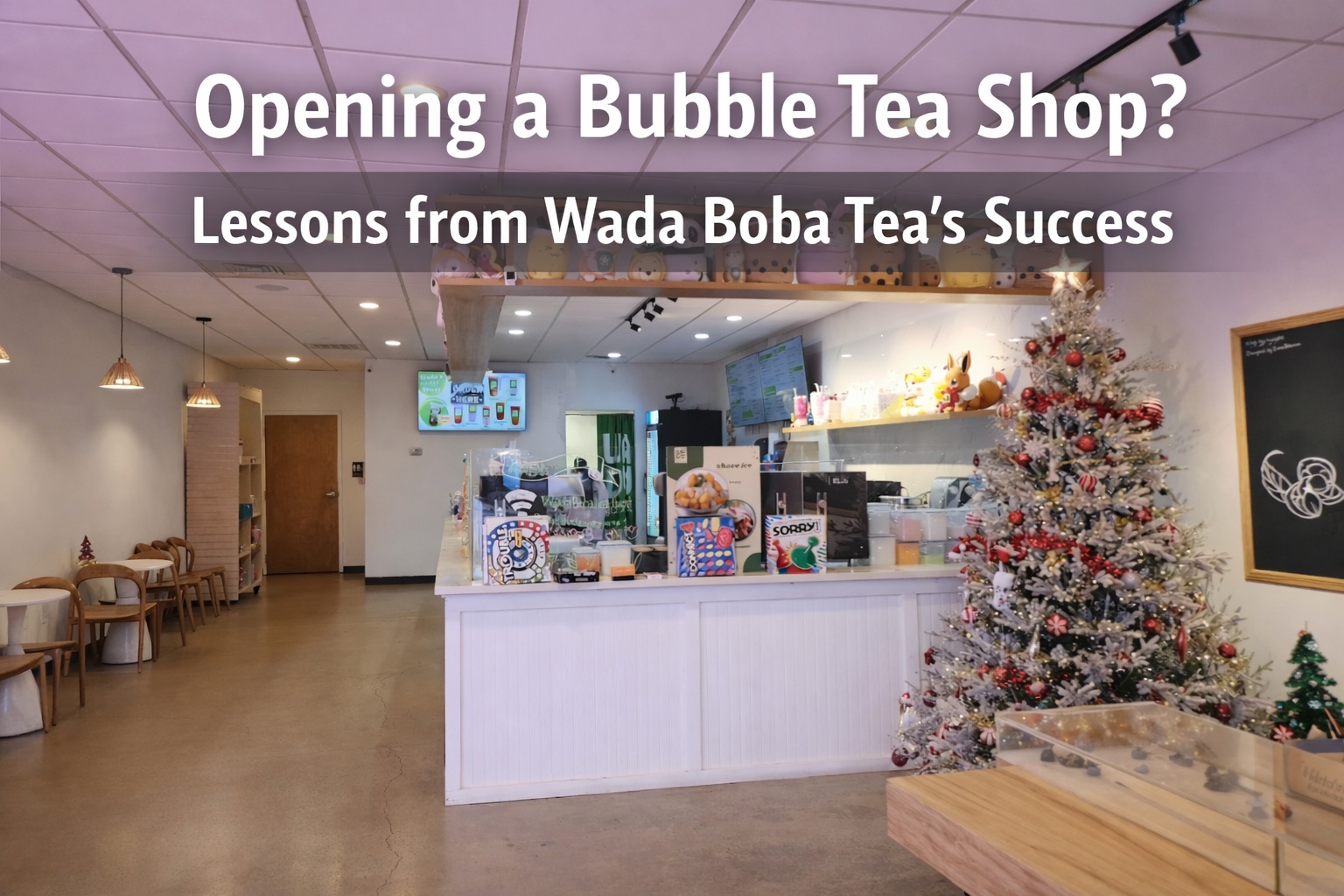
The global bubble tea market continues to expand, driven by increasing demand for customizable beverages and lifestyle-driven consumption. However, despite low entry barriers, the failure rate of new bubble tea shops remains high.
The core issue is not demand—it is execution.
By analyzing stores like Wada Boba Tea, we can identify a pattern: successful operators are not simply selling drinks, but managing a replicable system across product, operations, and supply chain.
The Structural Problem: Why Most Bubble Tea Shops Fail Early
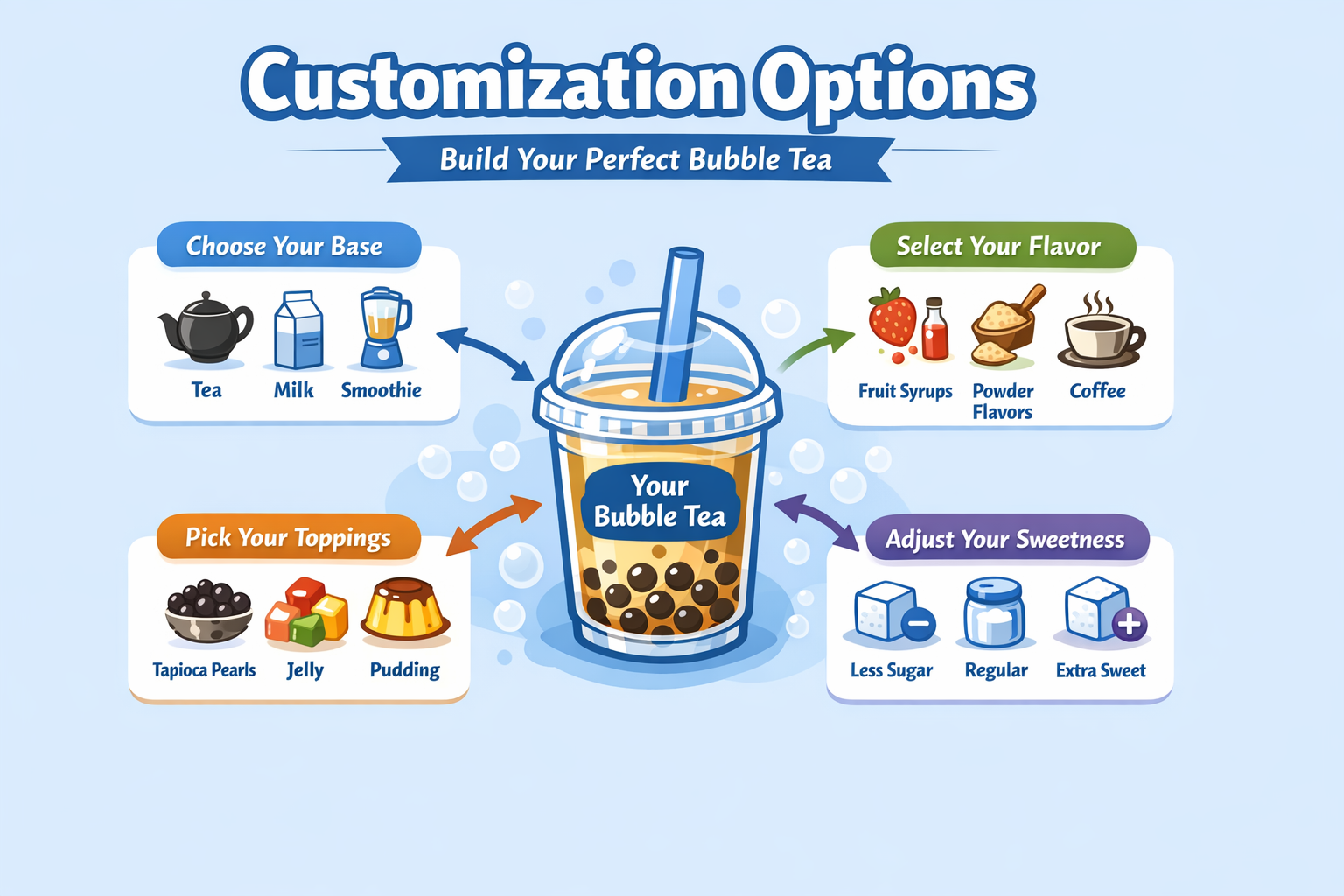
Most new entrants approach the business from a front-end perspective—brand name, store design, or trending drinks. However, the operational bottlenecks are typically back-end driven.
Key structural issues include:
- Product standardization failure → inconsistent taste across batches
- Ingredient variability → fluctuations in tea base, syrup, or toppings
- Cost opacity → inability to calculate per-cup margins accurately
- Over-expanded menus → increased SKU complexity and waste
- Supply chain instability → delays, shortages, or quality inconsistency
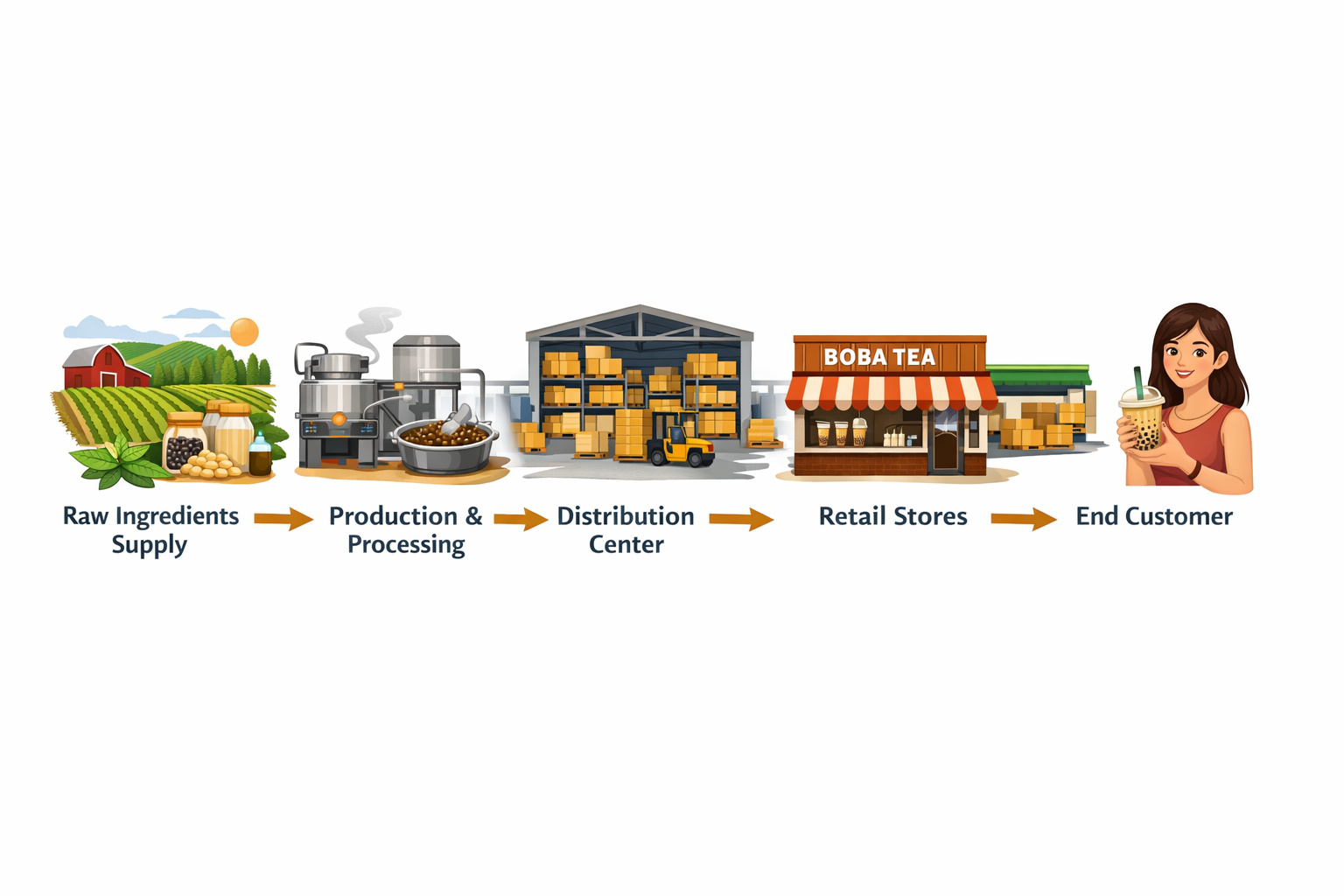
These issues are amplified in overseas markets, where most key inputs—such as tapioca pearls, tea bases, and flavor systems—are still heavily dependent on Asian supply chains.
This means that success is less about creativity, and more about control.
.png)
Case Observation: Wada Boba Tea as an Operational Model
Customer feedback around Wada Boba Tea consistently highlights three things:
- Fresh ingredients and stable taste
- High level of customization (e.g., sweetness control)
- Wide but structured menu with clear appeal
These are not isolated strengths—they are interconnected.
1. Product System Design: From “Menu” to “Modular Structure”
❗ Problem:
Most new shops treat the menu as a list of drinks rather than a system.
This leads to:
- Redundant ingredients
- Complex training requirements
- High operational variance
✅ What Wada Does Differently:
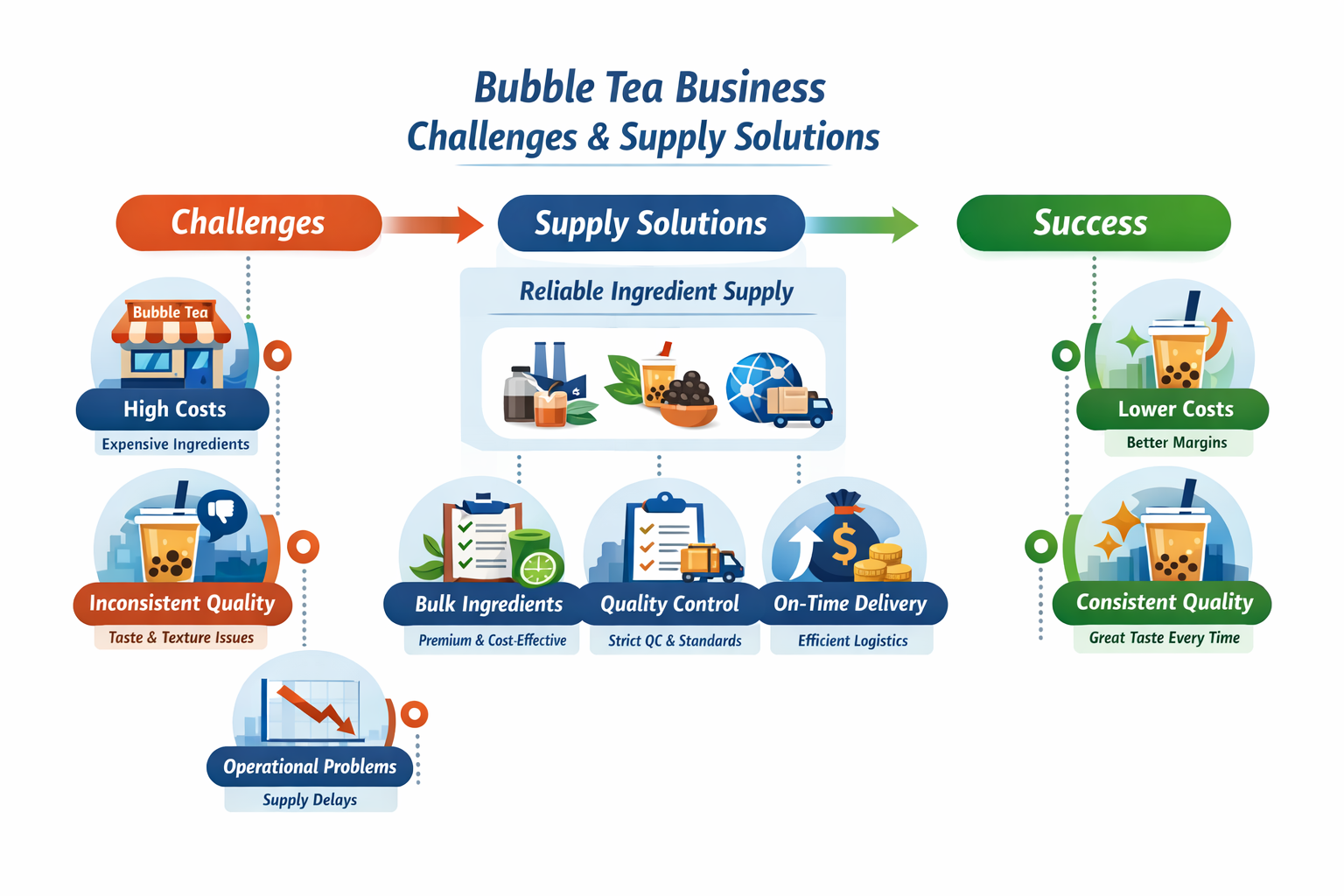
Wada’s menu appears diverse, but structurally it is modular:
- Core tea bases (black, green, milk tea)
- Flavor extensions (fruit, taro, brown sugar, etc.)
- Add-ons (pearls, jelly, foam)
This aligns with the nature of bubble tea itself, which is inherently a combinational product system rather than a fixed recipe product.
📌 Insight:
A scalable menu is not built on variety—it is built on shared components.
2. Customization as a Revenue Mechanism, Not a Feature
❗ Problem:
Customization is often treated as a customer service feature, but operationally it introduces variability and slows down production.
✅ What Wada Does Differently:
Wada integrates customization (e.g., sweetness levels) into a controlled parameter system rather than ad-hoc adjustments.
This means:
- Each sweetness level corresponds to a predefined formula
- Variability is managed within a controlled range
- Customers perceive personalization, while operations remain standardized
📌 Insight:
Customization increases conversion rate—but only if it is systemized, not improvised.
3. Consistency: The Core of Brand Equity
❗ Problem:
Most new shops lose repeat customers due to inconsistency—not quality.
Variability sources include:
- Tea brewing time differences
- Syrup concentration inconsistency
- Tapioca texture instability
- Staff execution differences
✅ What Wada Does Differently:
Customer reviews repeatedly mention “fresh” and “consistent taste”
This suggests:
- Controlled brewing processes
- Stable ingredient inputs
- Reduced dependency on individual staff skill
📌 Insight:
Consistency is not achieved at the store level—it is achieved at the ingredient and process level.
4. Ingredient Strategy: The Hidden Constraint in Scaling
❗ Problem:
Many operators underestimate ingredient complexity.
Bubble tea is not a single product—it is a multi-component system, including:
- Tea base
- Sweeteners
- Dairy or non-dairy components
- Toppings (pearls, jelly, foam)
Each component introduces variability.
Additionally, global supply disruptions—such as tapioca shortages—have shown how fragile this system can be when supply is unstable.
✅ What Wada Does Differently:
Wada’s emphasis on “fresh ingredients” and stable quality implies:
- Consistent sourcing
- Controlled ingredient specifications
- Repeatable input quality
📌 Insight:
In beverage chains, supply chain is not a support function—it is a core capability.
5. Operational Efficiency: Limiting Complexity Without Reducing Choice
❗ Problem:
New shops often expand menus to attract customers, but this creates:
- Inventory pressure
- Training difficulty
- Slower service time
✅ What Wada Does Differently:
Despite offering variety, Wada maintains:
- Shared ingredient usage
- Predictable preparation steps
- Manageable SKU structure
This allows the shop to deliver variety without sacrificing efficiency.
📌 Insight:
Operational efficiency comes from designing constraints, not removing options.
6. Customer Experience as a System Output
❗ Problem:
Many operators treat experience as decoration (interior design, branding), rather than an outcome of operational consistency.
✅ What Wada Does Differently:
Customer feedback highlights:
- Knowledgeable staff
- Consistent recommendations
- Stable product delivery
This indicates:
- Staff training aligned with product system
- Reduced ambiguity in ordering and production
📌 Insight:
A good customer experience is not created—it is produced by a well-functioning system.
Strategic Takeaways for New Bubble Tea Operators
From a business perspective, Wada Boba Tea’s success can be summarized into four operational principles:
- Standardization before expansion
- Modular product design over menu complexity
- Controlled customization instead of flexibility chaos
- Supply chain reliability as a growth constraint
Conclusion: Bubble Tea Is a System Business, Not a Beverage Business
The most important takeaway for new entrepreneurs is this:
Bubble tea is not just about drinks—it is about managing a system of inputs, processes, and outputs.
Stores that fail typically focus on front-end appeal.
Stores that succeed build backend stability.
Wada Boba Tea's model demonstrates that long-term success is not driven by trend-based products, but by the ability to deliver consistent quality at scale.
For new operators, the challenge is not finding the next popular drink—but building a structure that can reliably produce it, every single time.