
NEWS & EVENTS

Local Bubble Tea Ingredients vs. Importing from Taiwan: Which Is the Better Choice for Your Business?
December 16,2025
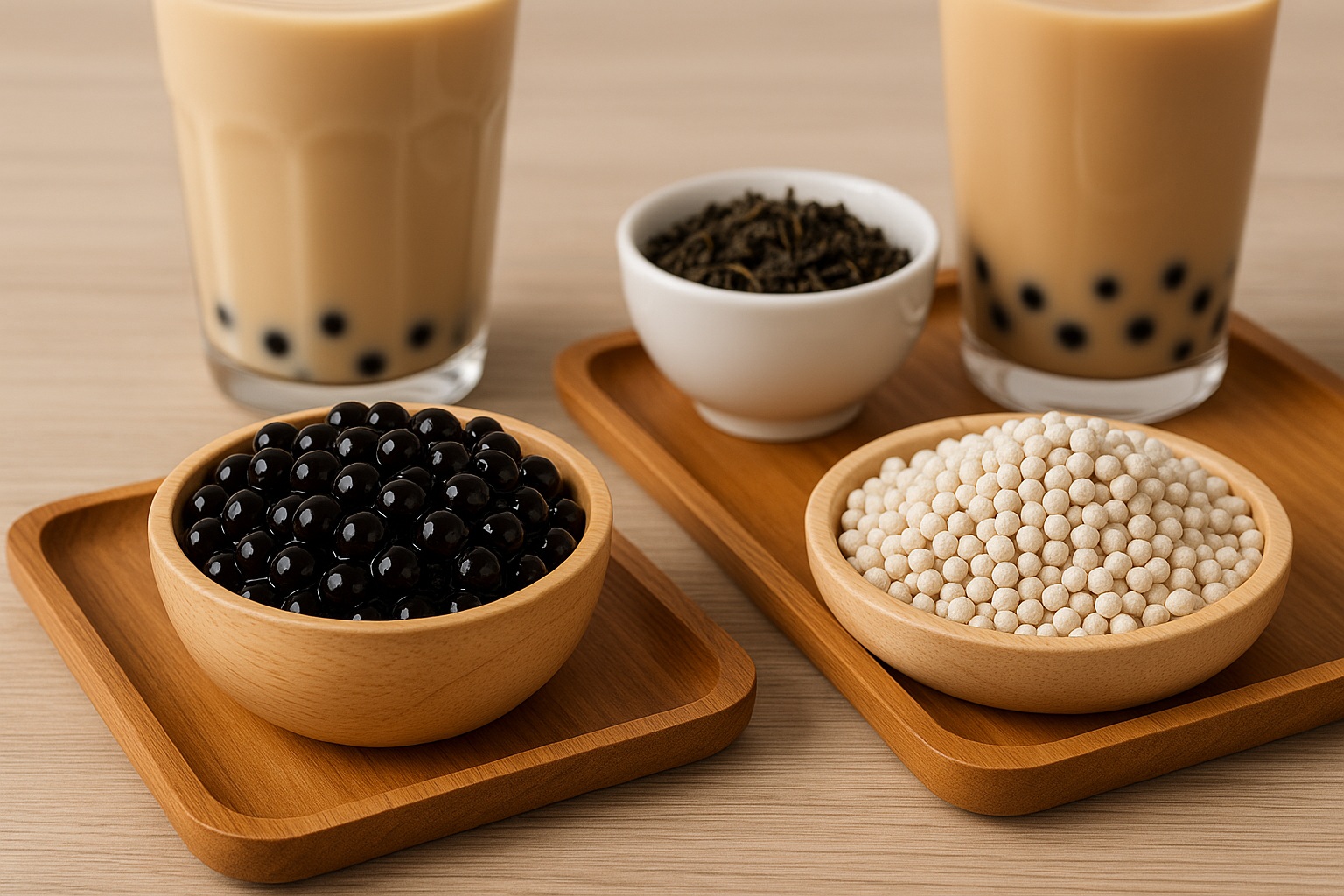
As the global bubble tea market continues to expand, ingredient sourcing has become a strategic decision rather than a purely operational one. For many bubble tea operators, distributors, and brand owners, the question is no longer where to buy ingredients, but how sourcing choices affect long-term quality, cost control, and scalability.
Two common options dominate the discussion: sourcing bubble tea ingredients locally or importing them from Taiwan. While both approaches can work, the differences between them are often underestimated.
Cost Structure: Short-Term Savings vs. Long-Term Control
Local sourcing is often perceived as the more cost-effective option. Shorter transportation distances, faster delivery, and reduced import duties can result in lower upfront expenses, especially for small or newly opened stores.
However, when evaluating cost, it is essential to look beyond unit price. Imported ingredients from Taiwan often offer standardized formulations, predictable performance, and stable batch quality. These factors can reduce product waste, training time, and recipe inconsistencies—costs that are not always visible in a simple price comparison.
Over time, businesses that prioritize consistency may find that total operational costs are easier to control with standardized imported ingredients.
Quality and Product Consistency
Quality in bubble tea is not defined solely by taste. Texture, aroma, stability after preparation, and shelf performance all contribute to the final customer experience.
Local suppliers may adjust formulations based on locally available raw materials, which can lead to variation between batches. For single-location stores, this may be manageable. For multi-location brands or franchises, even small differences can become problematic.
Taiwanese manufacturers, by contrast, typically operate under mature production systems developed specifically for bubble tea applications. Standardized production, controlled raw material sourcing, and established testing protocols help ensure that each shipment performs the same way across different markets.
Supply Chain Reliability and Scalability
One of the most overlooked factors in ingredient sourcing is supply chain resilience. Local suppliers can offer speed and flexibility, but their capacity may be limited during periods of rapid growth or seasonal demand spikes.
Importing from Taiwan requires longer lead times and careful planning, but it also provides access to manufacturers experienced in international logistics, export documentation, and bulk supply management. For businesses planning expansion, this reliability becomes increasingly important.
A stable supply chain is not only about avoiding shortages—it is about supporting growth without compromising product standards.
Regulatory Compliance and Documentation
In international markets, food safety regulations and import requirements are becoming more stringent. Proper documentation, ingredient traceability, and compliance with local standards are critical.
Many Taiwanese manufacturers serving global markets are already familiar with export regulations and provide complete documentation, including ingredient specifications, shelf-life data, and safety certifications. This can significantly reduce compliance risk for importers and distributors.
Local suppliers may meet domestic requirements, but documentation standards can vary widely depending on the market.
Choosing the Right Approach for Your Business Stage
There is no universal answer to whether local sourcing or importing from Taiwan is the “better” choice. The right decision depends on your business model, growth plans, and quality expectations.
-
Single-location or early-stage businesses may prioritize flexibility and lower initial costs.
-
Growing brands, wholesalers, or multi-location operators often benefit from standardized imported ingredients that support consistency and scale.
-
Private label or OEM-focused businesses typically require tighter control over formulations and specifications, making established manufacturing partners more suitable.
Understanding these trade-offs allows businesses to align sourcing decisions with long-term strategy rather than short-term convenience.
Final Thoughts
Ingredient sourcing plays a foundational role in shaping product quality, operational efficiency, and brand perception in the bubble tea industry. Whether sourcing locally or importing from Taiwan, the key is not choosing what is cheaper or faster, but what is more sustainable for your business goals.
For businesses evaluating different sourcing models or planning to scale across markets, discussing requirements with experienced suppliers can provide valuable clarity.
If you would like to explore ingredient sourcing options or better understand how different supply models align with your business needs, feel free to contact us for a professional, no-obligation discussion.